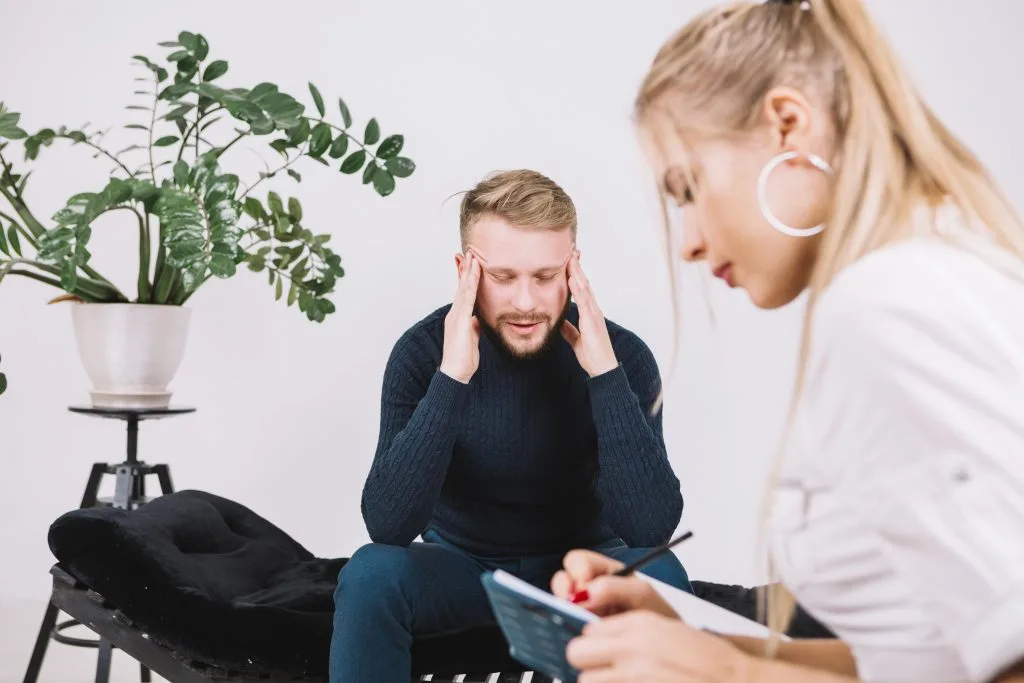
Feeling short of breath can be unsettling, especially if it happens unexpectedly. Many people immediately worry that something is wrong with their heart or lungs. While breathing difficulties should never be ignored, anxiety is also a common cause of shortness of breath. During periods of intense stress or panic, your body’s natural response can make it feel difficult to take a full breath.
So, how to tell if shortness of breath is from anxiety? Understanding the symptoms, recognizing common triggers, and knowing when to seek medical care can help you better manage your health and reduce unnecessary fear.
When you experience anxiety, your body activates the fight-or-flight response. Stress hormones prepare you to respond to a perceived threat by increasing your heart rate and changing your breathing pattern.
Many people begin breathing faster or more shallowly without realizing it. This rapid breathing, also known as hyperventilation, can create the sensation that you are not getting enough air, even though your oxygen levels are typically normal.
As anxiety increases, the feeling of breathlessness may become more noticeable, creating a cycle where worrying about your breathing makes the symptoms feel even worse.
Anxiety-related breathing difficulties often appear alongside other emotional and physical symptoms of anxiety.
You may notice:
Many people find that their breathing gradually improves once they begin to relax or the stressful situation passes.
Although anxiety can cause breathing difficulties, it is important not to assume anxiety is always the cause.
Shortness of breath caused by medical conditions may occur with physical activity, infections, asthma, heart disease, or other respiratory problems. Symptoms such as persistent chest pain, wheezing, blue lips or fingertips, coughing up blood, or severe difficulty breathing require immediate medical evaluation.
Seek emergency medical attention if your shortness of breath is sudden, severe, accompanied by chest pain, fainting, confusion, or symptoms of a heart attack or serious lung condition.
If a healthcare provider has ruled out medical causes and your breathing problems occur primarily during periods of anxiety, a mental health evaluation may help identify the underlying issue and guide appropriate anxiety treatment.
Learning how to regulate your breathing can help interrupt the body’s stress response and reduce anxiety symptoms.
One effective strategy is slow diaphragmatic breathing. Inhale gently through your nose for several seconds, allowing your abdomen to expand, then exhale slowly through your mouth. Focusing on slow, controlled breathing helps calm the nervous system and reduces hyperventilation.
Grounding exercises, mindfulness practices, and progressive muscle relaxation can also shift your attention away from anxious thoughts and help restore a more natural breathing pattern.
While breathing techniques can provide immediate relief, ongoing anxiety often requires a more comprehensive approach.
Treatment may include Cognitive Behavioral Therapy (CBT), which helps identify and change unhelpful thought patterns, medication management when appropriate, mindfulness and relaxation techniques, stress reduction strategies, and healthy lifestyle modifications such as regular exercise and improved sleep habits.
At Mentel, Our Team provides structured, evidence-based care that helps individuals understand the connection between anxiety and physical symptoms while developing practical coping skills for long-term improvement.
Reducing anxiety over time often leads to fewer episodes of shortness of breath. Building healthy daily habits can strengthen emotional resilience and improve your overall well-being.
Consistent sleep, regular physical activity, balanced nutrition, limiting excessive caffeine, and practicing relaxation techniques can all help reduce the frequency and intensity of anxiety symptoms. Seeking support early can also prevent anxiety from becoming more disruptive to your daily life.
Knowing how to tell if shortness of breath is from anxiety begins with understanding your symptoms and recognizing when they occur. Anxiety-related breathlessness often develops during stressful situations and improves as your body relaxes, but it is essential to rule out serious medical conditions before assuming anxiety is the cause.
If anxiety is causing recurring breathing difficulties or affecting your quality of life, Mentel offers compassionate, evidence-based support tailored to your needs. Our Team can help you identify anxiety triggers, develop effective coping strategies, and build the confidence needed to manage symptoms and improve your overall mental well-being.

About the Author
Leonid Stosman
I take a collaborative approach to mental health care, working with patients to better understand their symptoms, clarify their goals, and develop personalized strategies for growth and healing.

August 3, 2026